Under the skin: life with epidermolysis bullosa

With personal insights from across the world, highlighting the everyday experiences of those living with epidermolysis bullosa, discover how global DEBRA groups are working hard to build connections, increase awareness and address stigmas to provide a better future for all in the EB community
“It’s the worst disease you never heard of,” says Dané from South Africa, a reality that defines the experience of living with epidermolysis bullosa (EB).
Epidermolysis bullosa (EB) is a rare genetic condition that causes the skin to painfully blister and tear with minimal friction, and is estimated to affect 500,000 people worldwide, though the true number is likely much higher due to stigma, underdiagnosis and lack of awareness. There is no cure, and limited therapies and treatments are available beyond wound management.
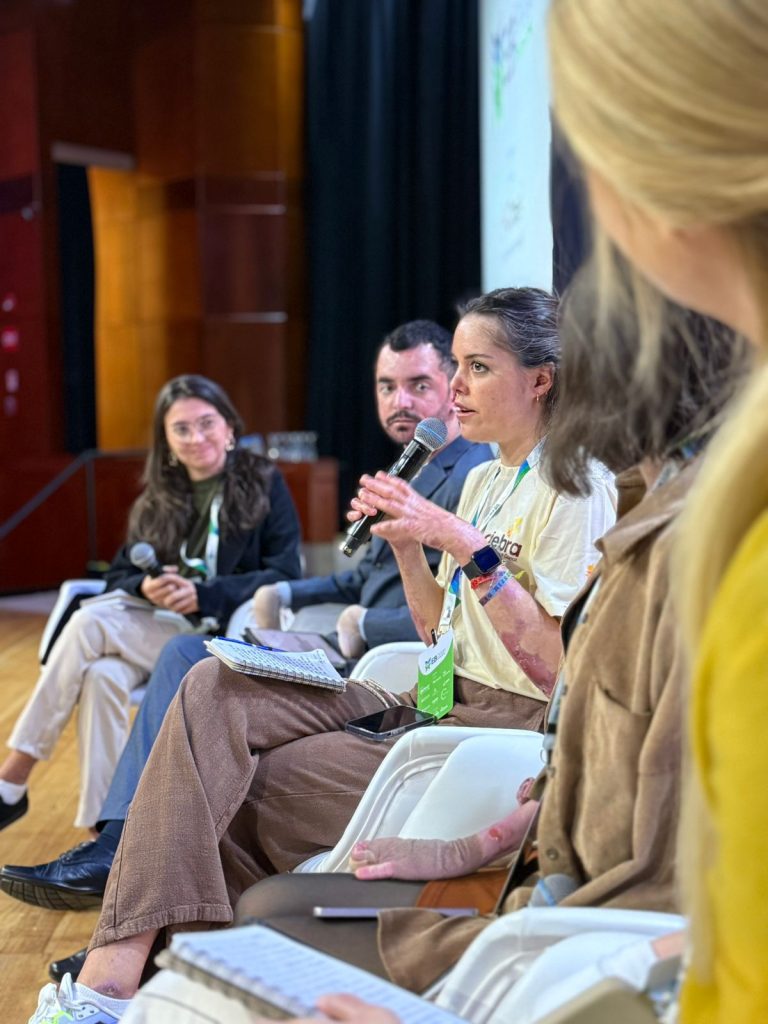
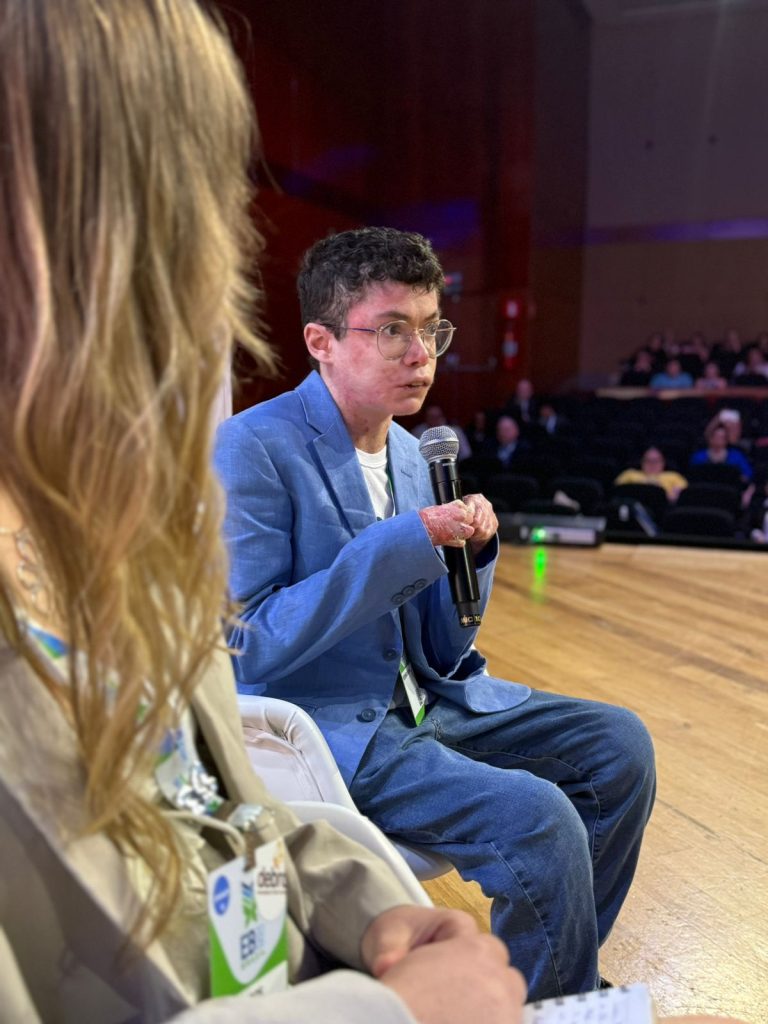
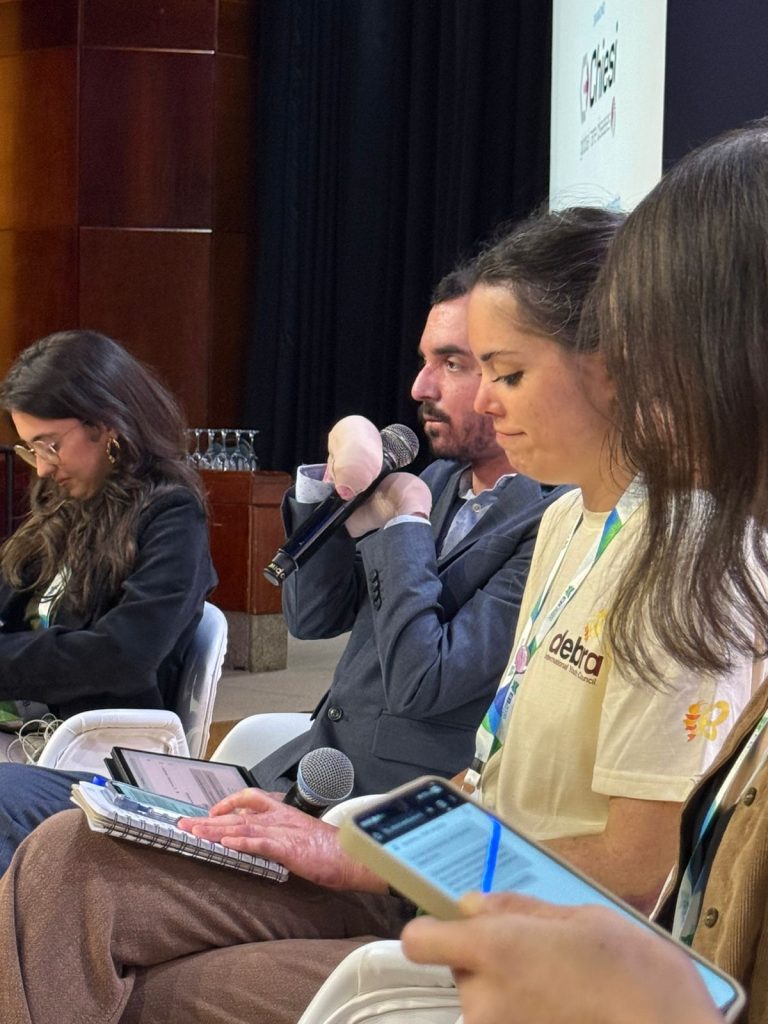
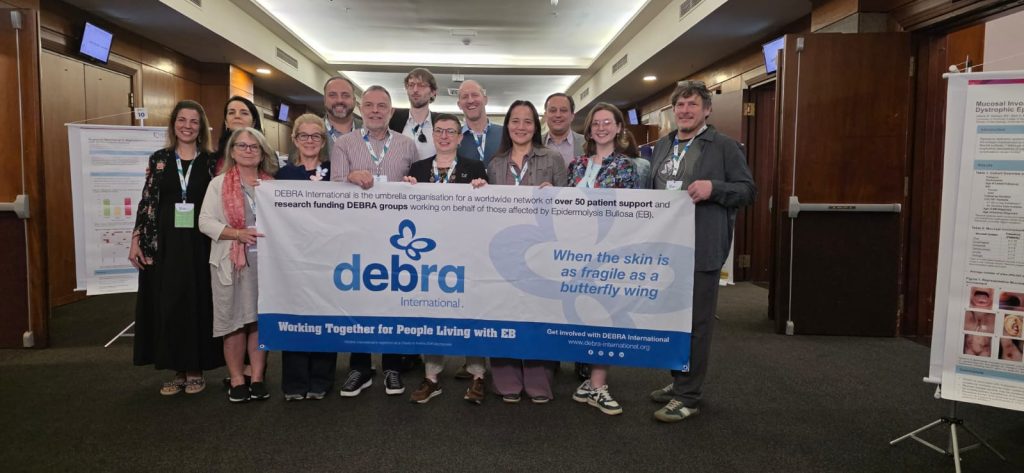
Through organisations like DEBRA International, an umbrella organisation supporting national groups, and its Youth Council (DIYC), people living with EB are coming together to share their stories, support one another and raise global awareness. By connecting a global network of patients, clinicians and researchers, DEBRA International helps improve care, share knowledge and ensure support reaches those who need it most.
What is epidermolysis bullosa
“Living with EB means daily wound care, managing pain and being careful with everyday activities,” says Sanja from Norway. “But it also means learning resilience and adapting to challenges. EB is very painful and time consuming.”
There are over 30 subtypes of EB, all requiring careful and constant management. Often referred to as “butterfly skin” due to its fragility, many people also experience complications such as skin cancer, infections, the fusion of fingers and toes, and nutritional challenges. For members of the DIYC, these challenges are part of their everyday reality.
“EB impacts all parts of life, including the ability to eat, talk and swallow,” James from Malaysia explains. “My skin and mouth have continued to blister and tear with the slightest touch. I have had to plan every movement, every bite, every interaction with the world around me.”
Martina from Argentina lives with EB simplex, the most common type of EB: “It is like having a constant reminder of your body’s limits and flaws. There is rarely a moment where one is not in pain in at least one part of their body.”
Challenges of living with EB go beyond just the physical impact. Richard from Paraguay stresses the emotional burden of “feeling observed or different in a society that still has a long way to go in terms of inclusion.” The impact often extends into mental health, including isolation, anxiety and the pressure of being visibly different. Andrina from Switzerland explains that being stared at in public is common, often receiving inappropriate remarks and comments about the way she looks.
“It is important to me to raise awareness among people to make it clear to them that it is not always pleasant for us, as those affected, to walk around with visible wounds, yet it is still a part of who we are. Therefore, we should not be treated any differently from anyone else just because we have a rare disease.”
Global disparities in care
While the physical and mental impact of EB is significant, access to care remains one of the greatest challenges worldwide. Diagnosis and access to treatment differ significantly between countries, with barriers particularly prevalent in developing regions. DEBRA International works to bridge this gap by connecting patients with the medical care and support they urgently need through international congresses, online webinars and resources, and EB Without Borders. Today, there are over 50 national DEBRA groups, but as basic resources and treatment remain out of reach for many, a coordinated global movement is essential.
Vice president of DEBRA International and president of DEBRA France, Angélique Sauvestre, explains that once her daughter was diagnosed with EB, she saw the value in a global approach to advance research and resources because of its rarity: “I wanted to see how other countries were coping, and I realised the huge disparities that exist between those who manage to fund research and countries that do not even have access to basic necessities such as dressings or clean water.”
This is a familiar story to many living with EB. “EB has remained relentless, while the medical system in Malaysia has continued to offer only basic symptom management. Living with EB here—and in other under-resourced countries—is not just about pain; it is about isolation, constant uncertainty and being invisible to the very system that is supposed to help you. Every day is a negotiation with my body and a fight against a healthcare reality that has not kept pace with the disease,” says James. “This has been the case not just for me, but I believe similarly for EB patients across Southeast Asia, South Asia, Central Asia, Africa and Eastern Europe.”
“People suffer a double whammy with stigma, a lack of understanding and awareness, which leads to social exclusion and isolation,” says Ritu Jain, president of DEBRA International and mother to adult children living with EB. “Therefore awareness and global collaboration is really important because we can shift the way EB is being viewed and the way people with EB are looked at, acknowledged and accommodated in different aspects of life and society. If we can move the needle on social inclusion then we have made a difference to many people regardless of whether or not they have access to therapies. Everyone benefits and DEBRA International’s mission is to make that difference.”
Making EB visible worldwide
“Awareness has the power to save lives,” James, Malaysia.
In 2025, over 50 countries came together for DEBRA International’s global Inside Out campaign for EB Awareness week, which takes place on 25th – 31st October every year. The concept is simple: wear your clothes inside out to show the hidden challenges of EB, like the seams that cause pain on fragile skin. “It is very helpful for people not to have to explain their disease all the time, that’s why a harmonised campaign for EB Awareness Week is so important,” says Angelique.
“By making EB more visible, we not only promote greater understanding and empathy, but also create opportunities for society to become more inclusive and respectful of those living with EB,” Richard from Paraguay reflects. “Increased awareness can also lead to better healthcare policies, improved access to proper treatments and greater support for families facing these challenges. Awareness does more than inform—it mobilises, connects and can significantly improve the quality of life of those living with this reality.”
“Don’t just stare, ask,” says Dané, highlighting why campaigns like Inside Out are so important. Around the world, more initiatives and projects are taking place than ever before. There is still a long way to go, Dané acknowledges, but developments such as the new EB Netflix documentary, Matter of Time, now available to stream worldwide, show that meaningful progress is being made.
DEBRA groups and their impact
A supportive and inclusive community impacts the quality of life, care and overall wellbeing of people living with EB. James shares how “global connections and mentors have played a role in my EB journey: DEBRA International, DEBRA Malaysia and many individuals have provided knowledge, guidance and hope, showing me what proper EB care can look like.”
National DEBRA groups provide essential local support for people living with EB, including connecting patients with specialist care, access to medical supplies and emotional and practical support. They can also fund and support research, raise awareness and work to improve understanding of EB, while advocating for better care and services within their country. “The support from DEBRA Chile played a decisive role in improving my health situation,” says Richard from Paraguay. “Their guidance, resources and assistance made a significant difference in how I manage and face this condition.”
DEBRA International brings together experts and communities to collaborate on research and share best practice through Clinical Practice Guidelines, available to download for free on the website, Angelique shares. “It is important because we do all have good practices that we can exchange. It’s amazing all we can achieve when we manage to unite humans with the ability to create organisations and collective intelligence. It’s about being able to talk to each other, listen to each other, understand each other and work together.”
Psychological support is also essential, Richard emphasises: “Working with a professional helped me change the negative way I saw many things and made me understand my worth as a person, even if I am different from others.”
Resilience and hope for the future
The story of EB is one of hope, resilience and determination for a better future.
Richard shares his vision of building a DEBRA group in Paraguay, ensuring more people have access to the support he once lacked. Sanja reflects on the importance of patience and determination, and how hope is driven by growing awareness and the strength of the EB community: “We have dreams, goals and abilities just like anyone else, even if our daily lives look different… Seeing people come together to support each other and work towards better treatments makes me optimistic about the future.”
“My voice—and the voices of EB patients in under-resourced nations—cannot and will not be silenced,” adds James. He emphasises how hope comes from global connections, shared experiences and advocacy networks that have shown change is possible.
Ritu concludes with the power of global connections and collective action in driving meaningful change for the next generation. DEBRA International plays a strong role “in creating awareness by providing clinical training and supporting research initiatives globally so that there is accessibility to these treatments and centres of care, information and awareness. The aim is that people who are living with EB have a better life tomorrow and the next generation of people ahead come into a world that is kinder, better equipped and more accepting of people with EB.”
Contact DEBRA International: info@debra-international.org
Find your national DEBRA group and free resources online: www.debra-international.org
Contact EB Without Borders: ebwb@debra-international.org